


For many investors, choosing between multifamily and single-family rentals is more than just a financial decision. It is also a strategic one that shapes how you build wealth, manage risk, and spend your time as an investor. Both property types have delivered strong returns for investors across experience levels, but they come with very different dynamics. A single-family home offers simplicity and a tenant base that tends to stay longer.
A multifamily property brings multiple income streams under one roof, but demands more from you operationally or from whoever you hire to run it. Neither is universally better. The right choice depends on your capital, your goals, and how hands-on you want to be with your portfolio. With that in mind, read along as this post breaks down the key differences between both strategies so you can make a more confident, informed decision about where your next investment dollar goes.
What is a Single-Family Rental?
A single-family rental is a standalone residential property. Think a house, townhome, or condo that you rent out to one tenant or household at a time. There’s one unit, one lease, and one set of utility accounts to manage.
As an investor, you own the property outright and collect monthly rent, building equity over time while your tenant covers your mortgage. It’s a straightforward model, which is a big part of why so many investors start here. A key advantage of acquiring single-family homes in real estate is the flexible exit strategy.
Single-family rentals are typically located in suburban neighborhoods and attract long-term tenants, families, working professionals, and others who want the feel of a home rather than an apartment complex. That stability can work in your favor when you’re trying to minimize turnover and keep your cash flow predictable.
What is a Multifamily Rental?
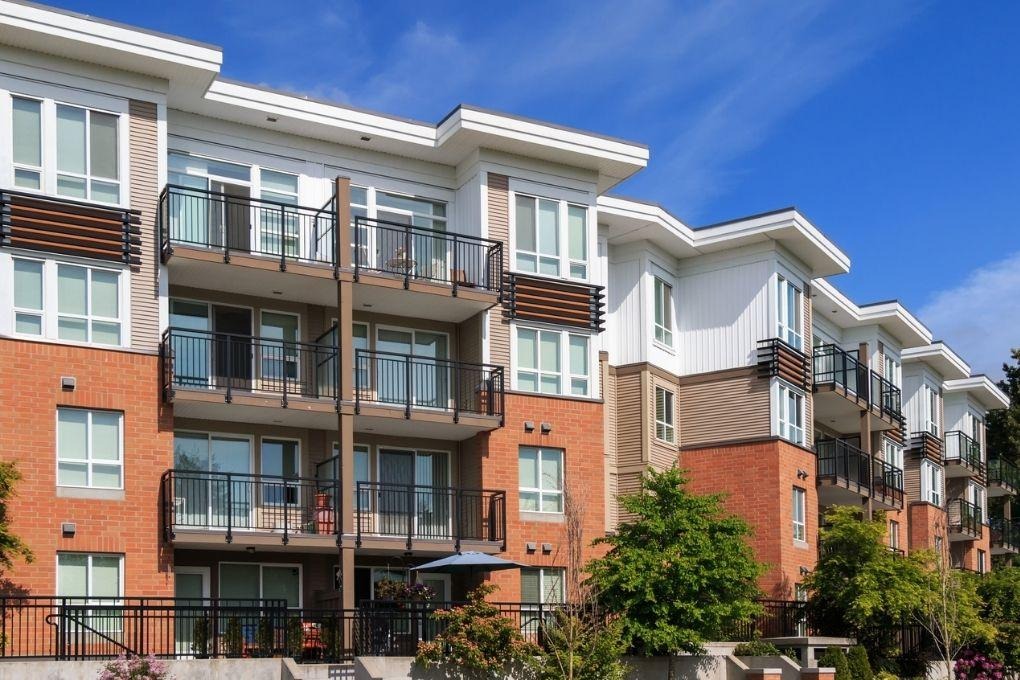
A multifamily rental is a single property that contains multiple separate housing units, such as a duplex, triplex, fourplex, or larger apartment building. Each unit has its own lease, its own tenant, and its own monthly rent payment. As an investor, this structure means your income isn’t tied to a single occupant. If one tenant moves out, you still have rent coming in from the other units while you fill the vacancy.
That built-in cushion is one of the biggest reasons investors are drawn to multifamily properties. Financing, management, and maintenance all happen under one roof, literally. You’re consolidating your investment activity into one asset rather than spreading it across multiple properties. For investors looking to scale their portfolio efficiently, that consolidation can be a serious advantage. Bay Property Management Group, Washington DC, can help landlords streamline operations, whether they are overseeing single-family rentals or multi-unit apartments.
Comparison Framework
- Cash Flow Focus
When cash flow is your primary goal, multifamily properties generally have the edge. Multiple units mean multiple rent checks, and that combined income typically produces stronger monthly returns relative to the purchase price, especially in markets where single-family home prices have climbed faster than rents.
With a single-family rental, your cash flow is entirely dependent on one tenant. A vacancy hurts your numbers and wipes them out until the unit is filled again. That said, single-family rentals in the right market can still generate solid cash flow, particularly if you purchase below market value or in areas where rent-to-price ratios are favorable. The real question isn’t which property type cash flows but which one cash flows consistently, given your market and risk tolerance.
- Appreciation Potential
Single-family homes tend to appreciate based on local market conditions and comparable sales in the neighborhood, factors largely outside your control. If the market moves, your property value moves with it. Multifamily properties, on the other hand, are valued based on income, specifically, the net operating income they generate.
That means you have more direct influence over appreciation. Increase rents, reduce vacancies, or cut operating costs, and you’re actively pushing the property’s value up. If you’re looking for appreciation that rewards operational improvements, multifamily offers greater leverage. If you’re comfortable riding market trends, single-family can still deliver solid long-term gains.
- Vacancy Risk Concentration
With a single-family rental, vacancy means zero income. The moment your tenant leaves, the property sits empty, and the mortgage doesn’t pause; that cost falls entirely on you until a new tenant signs a lease.
Multifamily properties spread that risk across multiple units. One vacant unit hurts, but it doesn’t stop your cash flow entirely. The other units keep generating income while you work to fill the gap. If consistent cash flow is a priority for you, this distinction matters more than most investors initially realize. A single bad tenant situation in a single-family rental can create months of financial pressure that a multifamily property would largely absorb.
- Management Complexity
Managing a single-family rental is relatively straightforward. You’re dealing with one tenant, one lease, and one property, making it easier to stay on top of maintenance requests, renewals, and communication. Multifamily properties are a different story. More units mean more tenants, more turnover cycles, and more moving parts to coordinate. Issues don’t always come one at a time.
That said, multifamily properties are also easier to justify hiring a property manager for, since the income from multiple units can more comfortably absorb that cost. With a single-family rental, that same expense can take a bigger bite out of your margins. Your tolerance for day-to-day involvement should weigh heavily in your decision.
Which Asset Class Fits Your Investment Goals?
The honest answer is that it depends on what you’re trying to accomplish. If you’re early in your investing journey and want to learn the fundamentals without overwhelming yourself, a single-family rental gives you a manageable entry point. If you’re focused on scaling your income and building a larger portfolio faster, multifamily properties can get you there more efficiently.
Your available capital, risk tolerance, and how involved you want to be in day-to-day operations all point toward one or the other. Neither asset class is a shortcut to returns; both require due diligence, the right market, and a clear strategy. When aligned with your goals, either one can be a strong foundation for long-term wealth.
Conclusions
Both multifamily and single-family rentals have a legitimate place in a well-built portfolio. The difference lies in where you are as an investor and where you’re trying to go. If you’ve made it this far, you likely already have a sense of which direction aligns better with your goals. Trust that instinct, do your due diligence on the market, and make sure the numbers work before you commit.
Real estate rewards investors who buy with intention. Whether you start with a single home or go straight into a multifamily property, the best investment is the one you understand, can manage, and are positioned to hold long-term. Read more at https://myflashyhome.net/