

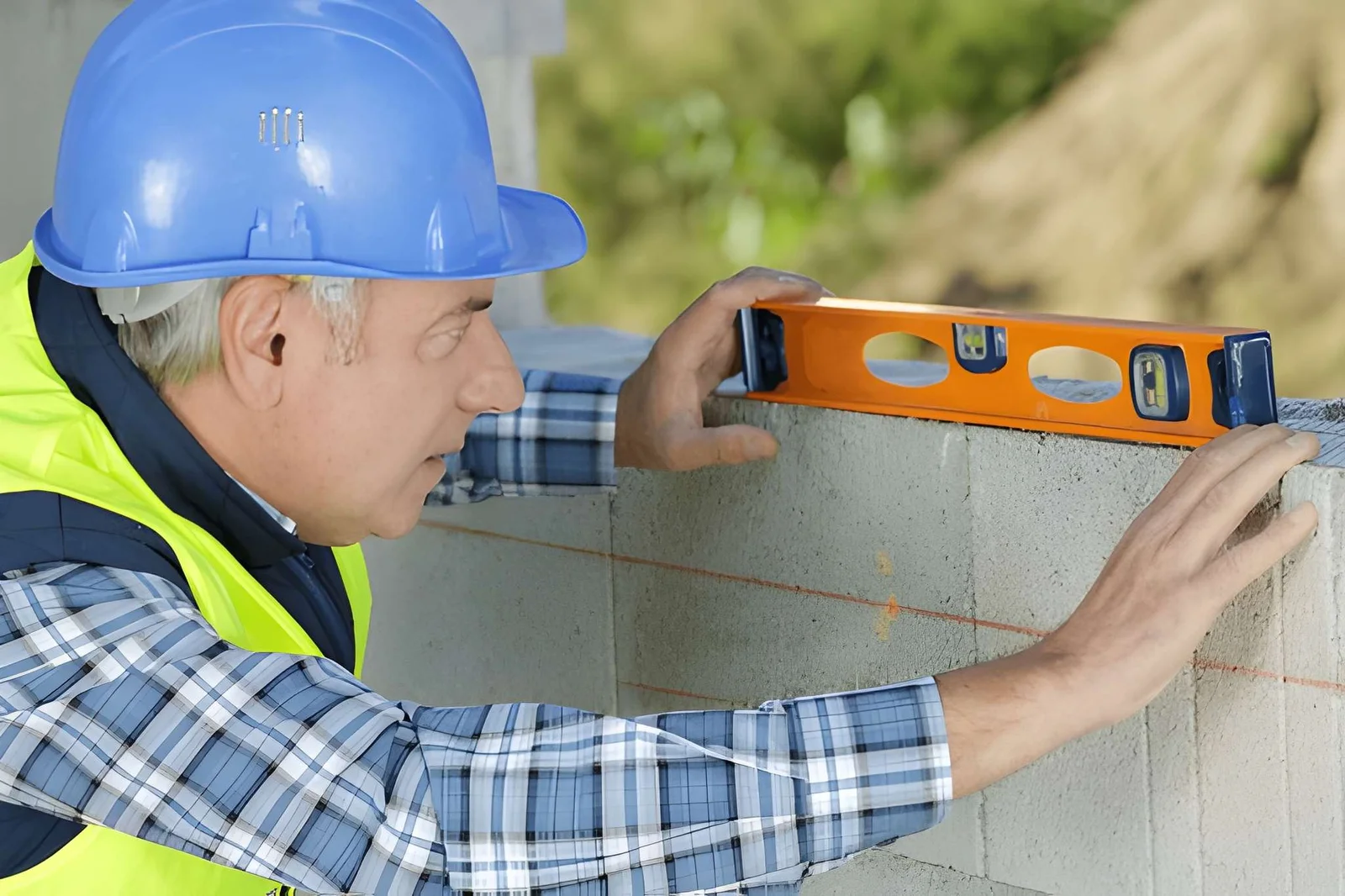
Ordering too little concrete mid-pour is a bad afternoon. The truck leaves, the slab sets in two halves, and you end up with a cold joint that never matches. Ordering too much wastes money, because ready-mix is sold by the cubic yard and leftovers have nowhere useful to go. A concrete calculator fixes both problems by turning your measurements into a volume you can actually order.
This guide shows how to calculate concrete volume for any project, from a 10 by 10 patio to round footings and post holes. You will learn the core formula, how to convert inches to feet, how much waste to add, and how many 80-pound bags equal one cubic yard. The tables below cover common US slab sizes and bag yields, so you can check your answer in seconds. Whether you plan to mix by hand or call a ready-mix supplier, the math takes about five minutes and keeps your pour on budget.
What Does a Concrete Calculator Do?
A concrete calculator converts length, width, and thickness into cubic yards, the unit US suppliers use to sell ready-mix. It multiplies the three dimensions in feet, divides by 27, and adds a waste allowance. Any phone calculator can run the same math.
| Shape | Formula (all inputs in feet) | Result |
|---|---|---|
| Slab, footing, wall | Length × Width × Thickness ÷ 27 | Cubic yards |
| Round post hole or column | 3.14 × radius² × Height ÷ 27 | Cubic yards |
How to Use a Concrete Calculator by Hand
- Measure length and width in feet.
- Convert thickness to feet by dividing inches by 12. A 4-inch slab is 0.33 ft.
- Multiply length × width × thickness to get cubic feet.
- Divide by 27 to get cubic yards.
- Add 5 to 10 percent for spillage, uneven ground, and slightly overbuilt forms.
Worked example: a 12 × 10 ft patio, 4 inches thick. 12 × 10 × 0.33 = 40 cubic feet. 40 ÷ 27 = 1.48 cubic yards. With 10 percent extra, order 1.63 cubic yards.
Concrete Volume Quick Reference for 4-Inch Slabs
| Slab size | Cubic yards | With 10% extra |
|---|---|---|
| 10 × 10 ft | 1.23 | 1.36 |
| 12 × 12 ft | 1.78 | 1.96 |
| 20 × 20 ft | 4.94 | 5.43 |
| 24 × 24 ft (two-car garage) | 7.11 | 7.82 |
One cubic yard covers about 81 square feet at 4 inches, 65 square feet at 5 inches, and 54 square feet at 6 inches.
How Many Concrete Bags Equal One Cubic Yard?
| Bag size | Approx. yield | Bags per cubic yard |
|---|---|---|
| 40 lb | 0.30 cu ft | 90 |
| 60 lb | 0.45 cu ft | 60 |
| 80 lb | 0.60 cu ft | 45 |
Yields vary slightly by brand, so confirm the number printed on your bag. Forty-five 80-pound bags is a lot of mixing, and a cubic yard of finished concrete weighs roughly 4,000 pounds. Many homeowners switch to ready-mix once a job passes about one cubic yard, though suppliers often charge a short-load fee on very small orders. Ask yours for their minimum.
Common Calculation Mistakes
- Forgetting to convert inches to feet, which inflates the answer twelvefold.
- Measuring before the forms are set. Measure the finished form, not the lawn.
- Ignoring thickened edges. Many slabs run deeper at the perimeter, so calculate those strips separately and add them.
- Skipping the waste allowance, especially on soft or uneven subgrade.
Requirements vary by city and soil. Check frost depth and minimum thickness with your local building department before you order. Residential slabs are commonly 4 inches, and driveways often run 5 to 6.
Concrete Calculator FAQ
How much concrete do I need for a 10 × 10 slab?
At 4 inches thick, about 1.23 cubic yards. Order roughly 1.36 to cover waste.
How do I calculate concrete for a round hole?
Use 3.14 × radius² × depth in feet, then divide by 27. A 12-inch-wide hole that is 3 feet deep holds about 2.4 cubic feet, or four 80-pound bags.
Should I order extra concrete?
Yes. Add 5 to 10 percent. Running short mid-pour costs more than the extra yardage.
Is a concrete calculator accurate enough for ordering?
It is only as accurate as your measurements. Measure twice, and confirm the final number with your supplier.
Final Thoughts
A reliable concrete calculator comes down to one formula: length × width × thickness in feet, divided by 27. Add a cushion, check the bag yields, and confirm local requirements. Do that, and your pour is far less likely to end with a second truck or a pile of leftover mix.
Must visit https://myflashyhome.net/ for calculating concrete volume ideas.