

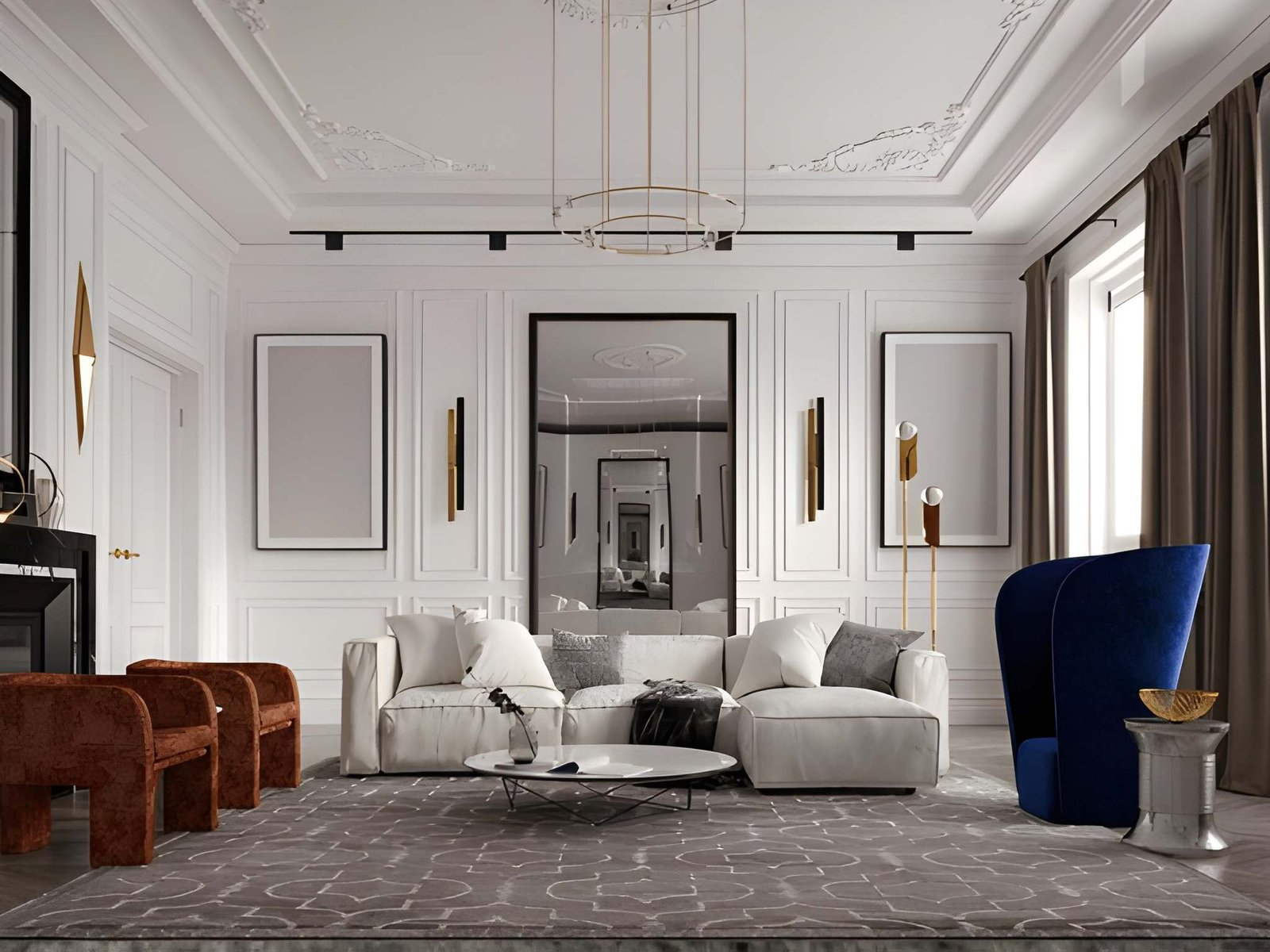
Most Americans spend more time in their homes than anywhere else — yet over 60% say their living space doesn’t reflect who they actually are. The fix isn’t a full renovation. It’s knowing where to look.
Interior design DrHomey is built around one core idea: a room doesn’t need a big budget to feel intentional. It needs the right decisions, made in the right order. Whether you’re renting a studio in Chicago or own a three-bedroom in Austin, the same principles apply — light, proportion, texture, and function. Get those four things working together, and a space transforms.
This guide covers 9 DrHomey-approved tips that US homeowners and renters use to overhaul their rooms without overspending. You’ll learn which changes deliver the most visual impact for the least money, how to avoid the mistakes that make rooms feel off, and exactly what to prioritize first. No vague advice. No thousand-dollar mood boards. Just practical, room-by-room direction that works in real American homes.
What Is Interior Design DrHomey?

Interior design DrHomey is a practical, budget-first approach to home styling that prioritizes high-impact changes over expensive overhauls. It focuses on proportion, lighting, and layering to make any room feel designed — not decorated.
Quick Reference: DrHomey Budget Impact Table
| Change | Avg. Cost (US) | Visual Impact | Effort |
| Swap light fixtures | $30–$80 | Very High | Low |
| Add an area rug | $50–$150 | High | Very Low |
| Repaint one accent wall | $25–$60 | High | Medium |
| Rearrange furniture layout | $0 | High | Low |
| Add throw pillows + blanket | $20–$60 | Medium | Very Low |
| Install floating shelves | $15–$40 | Medium | Medium |
| Replace cabinet hardware | $10–$30 | Medium | Low |
| Add blackout curtains | $30–$70 | High | Low |
| Use mirrors strategically | $20–$80 | Very High | Very Low |
Tip 1: Rearrange Before You Spend Anything
The most underused interior design hack costs nothing. Pull your furniture away from the walls. Most people push sofas and chairs against every wall, which actually makes a room feel smaller and less connected.
Try floating your seating 12–18 inches from the wall and angling pieces toward a focal point — a fireplace, a TV, a window. This one move alone changes how a room reads.
Tip 2: Light Fixtures Are the Fastest Room Upgrade
Swapping a builder-grade ceiling light for something with shape and character costs under $80 at most US home stores and takes 20 minutes. It’s the single change that most dramatically signals “this room was designed on purpose.”
Pendant lights over a dining table, a sculptural floor lamp in a dark corner, a linen drum shade in the bedroom — any of these outperform a fresh coat of paint in terms of perceived upgrade.
Tip 3: The DrHomey Rug Rule — Go Bigger Than You Think
Interior design DrHomey is consistent on one thing: most American homes use rugs that are too small. A rug should anchor all the main furniture in a seating area, not just float under a coffee table.
For a standard living room, that usually means at least an 8×10. Going up one rug size is often the single change that makes a room feel pulled together.
Tip 4: One Accent Wall, Strategically Placed
Don’t paint every wall a different color. Pick the wall your eye goes to first when you walk into the room — usually the one opposite the door — and give it something to say.
A deep green, warm terracotta, or navy blue on one wall changes the entire mood of a space for under $60. The rest of the room stays neutral, and suddenly the whole thing looks like someone made choices.
Tip 5: Mirrors Double Your Light and Your Space
A large mirror opposite a window reflects natural light and makes the room feel twice as big. This is especially effective in NYC apartments, Chicago condos, and any US home with limited natural light.
You don’t need a fancy framed mirror. A simple leaner from a discount home store does the job. Position it to reflect the best part of the room — not a blank wall or a TV.
Tip 6: Replace Cabinet Hardware (Seriously, Just Do It)
Kitchen and bathroom cabinet hardware is the most overlooked detail in American homes. Brass pulls on white cabinets. Matte black on wood tones. The right hardware makes a $500 IKEA kitchen look intentional.
A full kitchen set of pulls runs $10–$30 and takes an afternoon. This is the definition of a high-return home hacks.
Tip 7: Curtains Should Hit the Floor — and Start Higher
Most US homes hang curtains just above the window frame. Interior design DrHomey recommends mounting the rod as close to the ceiling as possible and letting curtains fall to the floor.
This makes ceilings feel taller, windows feel larger, and the whole room feel more polished. The curtains themselves don’t need to be expensive — simple linen panels from Amazon or Target work fine.
| Curtain Placement | Visual Effect |
| Rod at window frame, curtains short | Window looks small, ceiling feels low |
| Rod near ceiling, curtains to floor | Window looks large, ceiling feels tall |
| Rod at ceiling with blackout lining | Room feels luxe, sleep improves |
Tip 8: Layer Texture, Not More Stuff
A common mistake in US house styling is adding more objects when a room feels empty. What it actually needs is more texture — a chunky knit throw, a jute rug, a linen pillow, a wood tray on the coffee table.
Texture creates depth. It’s why a room with five things can feel rich while a room with fifty things can feel flat. Pick three textures and repeat them across the room.
Tip 9: Create One Focal Point and Let Everything Else Support It
Every room needs one thing that draws the eye. A gallery wall. A bold headboard. A statement sofa. A large piece of art.
Once you pick it, every other decision in the room should support it — not compete with it. This is the principle that separates rooms that feel designed from rooms that just feel full.
DrHomey Room-by-Room Priority Guide
| Room | First Change | Second Change | Budget Target |
| Living Room | Rug size up | Furniture off walls | Under $150 |
| Bedroom | Curtains to ceiling | Layer bedding textures | Under $100 |
| Kitchen | Replace hardware | Add under-cabinet lighting | Under $50 |
| Bathroom | New mirror | Replace towel bar finish | Under $60 |
| Home Office | Add task lighting | Floating shelves | Under $80 |
FAQ
Q: Can interior design tips work in a rented apartment?
Yes. Most DrHomey changes — rugs, lighting, curtains, furniture arrangement, and mirrors — require no permanent modifications and are fully renter-friendly.
Q: What’s the single highest-impact budget change?
Lighting, consistently. A new fixture or a well-placed floor lamp changes how a room feels more than almost any other single purchase under $100.
Q: How do I know what style my home should be?
Start with what you already own and love. DrHomey’s approach isn’t about picking a style label — it’s about making intentional decisions with what you have before buying anything new.
Final Word
Interior design DrHomey isn’t about spending more. It’s about knowing which 9 things actually move the needle — and doing those first. Most American homes need a rug upgrade, better light, and furniture pulled off the walls before they need anything else.
Start with one room. Pick one tip from these guides for home. The difference will tell you what to do next.
[…] Drew Barrymore’s Beautiful line covers kitchen appliances and home goods with better interior design than the price suggests. Better Homes & Gardens pieces fill out the furniture and decor […]
[…] For those interested in what intentional home design looks like at this scale, resources on interior design can give you a practical reference […]
[…] or just someone who’s tired of feeling stuck, these tips life Impocoolmom approach are designed to meet you where you are — and move you forward without the […]
[…] Most of these tips are designed for households with one primary caregiver. The delegation tip adapts to include older children or trusted […]