

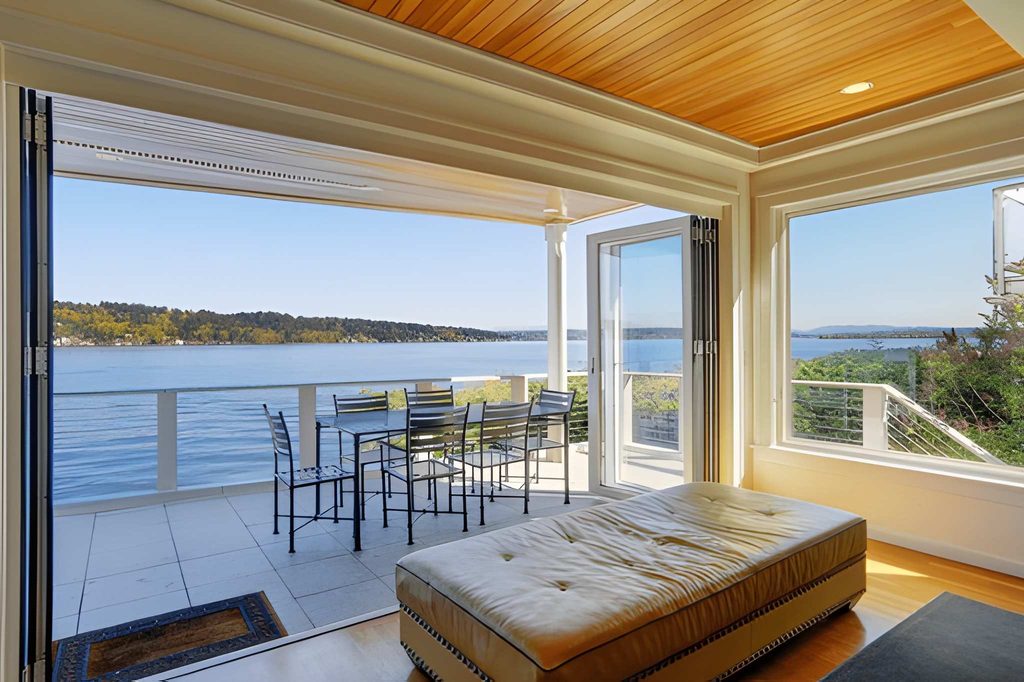
Falling for a house with a view of the water is easy. The sunrise over the lake, the sound of waves at night, and the dock out back all feel like a dream come true.
But waterfront buying works differently from regular home shopping, and a few surprises can cost you thousands if you skip your homework.
Key Takeaways
- Waterfront living comes with higher insurance costs, so budget beyond the sticker price.
- Flood zones shape your coverage, your lender’s rules, and your long term risk.
- Erosion and shoreline changes can quietly shrink your lot and your home’s value.
- Docks, seawalls, and shoreline rights depend on permits, so confirm what you truly own.
- Upkeep runs higher near water, so plan a maintenance fund before closing.
- Seasonal weather and resale demand affect how much you enjoy and earn from the home.
The Real Cost Goes Beyond the Price Tag
A waterfront home usually costs more than a similar house a few blocks inland, but the purchase price is only the beginning. Insurance, taxes, and upkeep all tend to run higher for properties near the shore.
Before you fall in love with a listing, ask your agent for the last three years of utility bills, tax records, and insurance quotes. Those numbers show what a typical year really looks like for the owner.
Flood Zones and Insurance Matter More Than You Think
Every waterfront property sits in a flood zone, and that label affects almost everything. If the home is in a high risk zone, your mortgage lender will likely require flood insurance before approving your loan.
Standard homeowners policies do not cover flood damage. You will need a separate policy, and prices vary widely based on your home’s elevation and its past claims. Get quotes early, ideally before you make an offer.
Also ask the seller whether the home has ever flooded. A history of claims does not always mean you should walk away, but it should shape your negotiation and your planning.
Erosion Can Change the Land Under Your Feet
Water moves, and over time it reshapes the shoreline. Erosion can take away a few inches of yard each year or, after a big storm, several feet in a single weekend.
Look closely at the bank or beach near the home. Leaning trees, exposed roots, and crumbling soil are all warning signs. Ask neighbors how the shoreline has changed during their time living there.
You can also request old surveys or aerial photos from the county. Comparing images from ten or twenty years ago shows exactly how much land has been lost or gained.
Since a seawall guards against that loss, ask the seller when it was built. As the Naples seawall construction experts at Florida Seawall Solutions put it, “your wall must be built for future conditions, not past defaults.”
Older walls were often designed for lower water levels than storms bring today. If the wall predates recent major hurricanes, hire an engineer to check its height, anchors, and condition before you make an offer.
Know What You Actually Own
Many first time buyers assume that owning waterfront property means owning the water, the beach, and everything in between. That is often not the case. Ownership rules differ by state, and some shorelines are public or shared.
Review the deed and survey carefully. Find out whether you own the land down to the water line, whether an easement lets others cross your lot, and who controls the water itself.
Docks, boat lifts, and seawalls usually need permits. If the existing dock was built without approval, you could inherit fines or be forced to remove it. Ask for permit records before you sign anything.
Plan for Higher Maintenance
Water, wind, and sun are tough on a house. Paint fades faster, wood swells and cracks, and metal fixtures rust. Decks, docks, and windows often need attention more often than they would inland.
A good rule is to set aside one to two percent of the home’s value each year for repairs. That cushion keeps a surprise bill from turning into a financial strain.
Learn the maintenance calendar too. Many owners schedule seasonal tasks such as cleaning gutters, sealing wood, checking the shoreline after storms, and winterizing the dock. A simple routine prevents small problems from growing.
Think About Seasons, Noise, and Lifestyle
A home that feels peaceful in October might feel very different in July. Summer brings boat traffic, loud weekend crowds, and sometimes bugs. Winter can bring ice, high winds, and isolation.
Visit the property at different times of day and in different seasons if you can. Stand on the deck on a Saturday afternoon and listen. Notice how close the neighbors are and how busy the water gets.
Consider access too. Ask how far you are from groceries, hospitals, and fire stations. Rural shorelines can feel wonderful, but long drives become tiresome when you forget something at the store.
Resale Value and Long Term Thinking
Waterfront homes can hold their value well because they offer something that cannot be built elsewhere. Still, the market for them can be narrower and slower, especially when interest rates rise.
Features that help resale include a solid seawall, a permitted dock, good water access, and a lot that sits above flood level. Problems like heavy erosion or rising insurance costs can scare away future buyers.
Think about whether you could rent the home if you needed to. Some areas allow short term rentals, while others restrict them. Knowing your options gives you flexibility if your plans change.
Work With the Right Team
A real estate agent who knows the local waterfront market is worth finding. They understand shoreline rules, typical pricing, and which neighborhoods have the best long term outlook.
Pair your agent with a real estate attorney, a flood insurance specialist, and an inspector who has experience with waterfront properties. Each one protects a different part of your purchase.
Ask plenty of questions, and do not feel rushed. A great waterfront home will still be a great choice after you have checked the details.
Conclusion
Buying a waterfront home is exciting, and it should be. The views, the fresh air, and the slower pace can improve your daily life in ways few other homes can.
Just go in with your eyes open. Check the insurance, study the shoreline, confirm your rights, and budget for upkeep. Do that, and you will enjoy your new home with confidence.Read more at https://myflashyhome.com/.