

Most backyards don’t fail because of one big blunder. They fail through small choices made in a hurry: a tree planted too close to the porch, a patio that seats two when you host eight, a lawn laid over soil nobody tested. These garden design mistakes rarely show on day one. They show in year two, when the shade deepens, water pools near the foundation, and the yard that looked great at the nursery feels off for reasons you can’t name.
The same errors repeat from Georgia clay to Oregon drizzle, and most are cheap to fix once you spot them. This guide covers 17 of them, grouped by what they damage: planning, plants, lawn, hardscape, and upkeep. Each has a plain fix, and two tables in the middle give you numbers to screenshot before your next garden-center trip. Fix even five and the space works harder without a bigger budget. Start with the problems below the surface, because those cost the most to undo.
Planning Garden Design Mistakes That Start Below the Surface
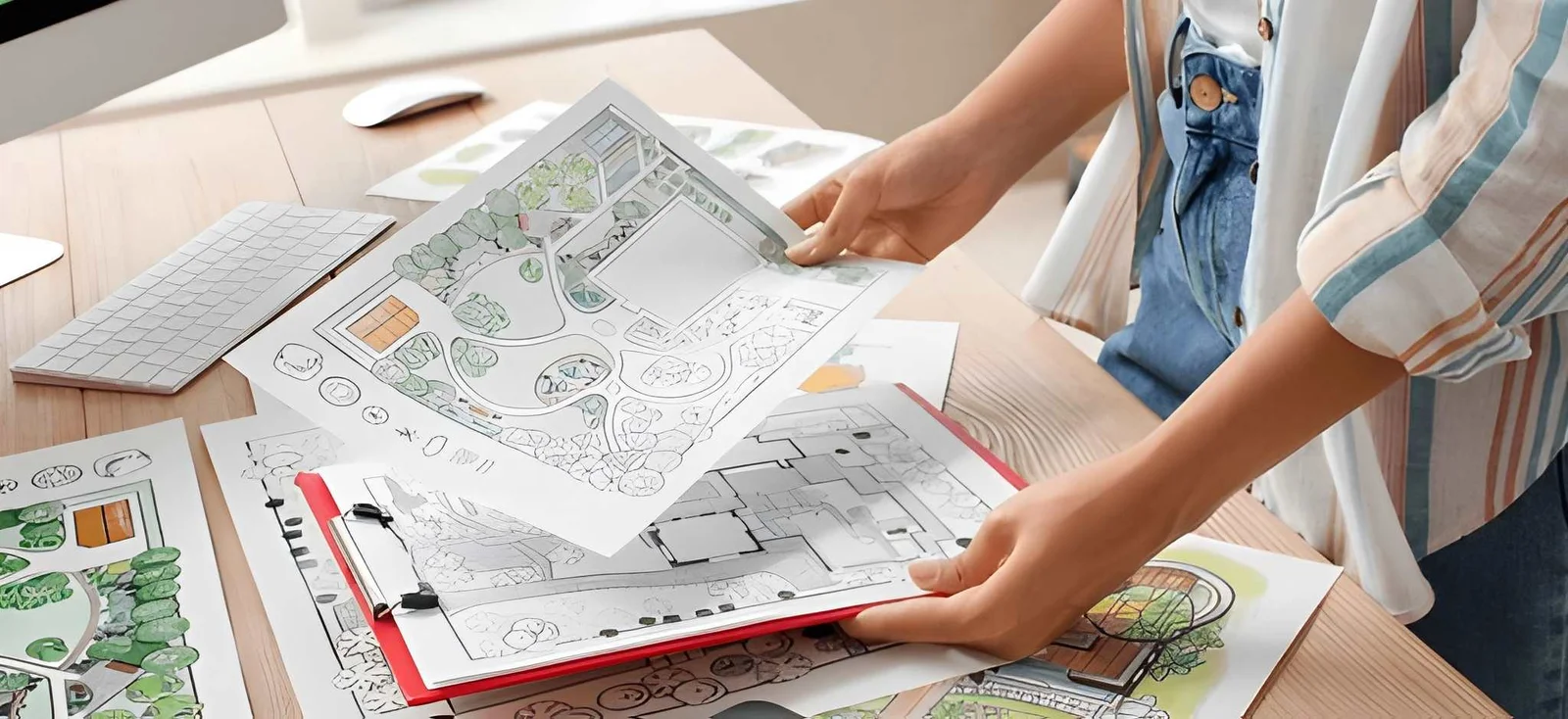
1. Skipping the site map. Sketch the lot, sun path, utilities, and doors on paper first. Placing beds by eye means moving them twice.
2. Ignoring drainage. Soil should slope away from the house, roughly 6 inches over the first 10 feet. Standing water rots roots and threatens foundations.
3. Never testing soil. Your county Cooperative Extension office can test pH and nutrients for a small fee. Guessing wastes fertilizer.
4. Forgetting your hardiness zone. Check the USDA Plant Hardiness Zone Map before buying. A zone 9 shrub in zone 6 is an expensive annual.
5. Digging without calling 811. The service is free in the US, and most states require it before digging. Hitting a gas or fiber line ruins more than a weekend.
Plant Choices That Backfire
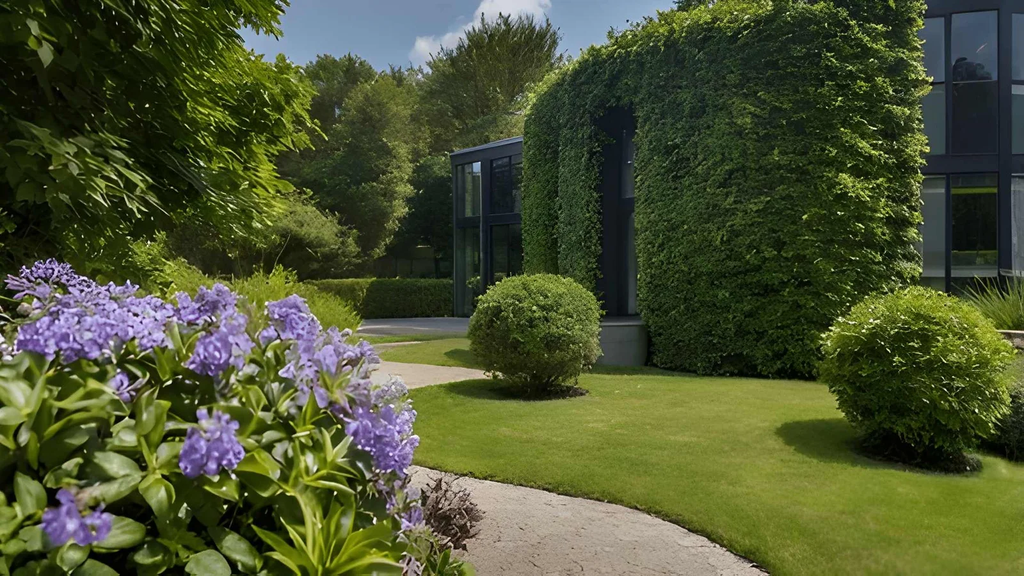
6. Planting for today’s size. A 3-foot spruce becomes a 40-foot wall. Read the mature height and spread on the tag, then space accordingly.
7. Wrong plant, wrong light. Most vegetables want six or more hours of direct sun, while hostas scorch in it. Watch the spot for a full day before planting.
8. Overcrowding. Tight spacing looks lush for one season. Then plants fight for air and disease spreads.
9. One of everything. A scattered collection reads as clutter. Repeat three to five key plants so the eye has a rhythm to follow.
10. Mulch volcanoes. Mulch piled against a trunk traps moisture and invites rot. Keep it 2 to 3 inches deep and pulled back from the bark.
Lawn Mistakes Homeowners Repeat
11. Picking grass by price. Compare kentucky bluegrass vs fescue vs ryegrass against your zone, shade, and foot traffic before you buy seed. The table below shows the trade-offs.
12. Not knowing what you already have. Bermuda has fine blades and creeping runners. If you’re unsure what does bermuda grass look like, hold a sample against a bermuda grass close up photo before spraying anything.
13. Treating weeds like grass. Weeds vs grass mix-ups lead people to fertilize crabgrass and scalp healthy turf. Learn what does kentucky bluegrass look like (boat-shaped tips) before you pull anything.
Grass Types at a Glance
| Grass | Season | Best for | Weak spot |
|---|---|---|---|
| Kentucky bluegrass | Cool | Sunny northern lawns | Slow to establish, thirsty |
| Tall fescue | Cool | Transition zone, partial shade | Grows in clumps |
| Perennial ryegrass | Cool | Fast germination, overseeding | Struggles in extreme heat or cold |
| Bermuda | Warm | Southern sun, heavy traffic | Browns in winter, hates shade |
Hardscape and Lighting Mistakes
14. A patio that’s too small. A dining set needs about 10 by 12 feet, plus 3 feet behind chairs so they can slide out.
15. Narrow paths. A main walkway at 36 inches works. At 48 inches, two people can walk side by side.
16. Lighting as an afterthought. Low-voltage path and accent lights beat one floodlight, which flattens everything it touches.
17. Ignoring upkeep and water. Plan irrigation early and be honest about your weekly hours. A garden you dislike tending becomes a weed patch.
Quick Reference: Garden Design Mistakes in Numbers
| Element | Minimum | Better |
|---|---|---|
| Dining patio | 10 x 10 ft | 12 x 14 ft |
| Main walkway width | 36 in | 48 in |
| Mulch depth | 2 in | 3 in, off the trunk |
| Slope away from house | 6 in over 10 ft | Same, checked after rain |
| Sun for vegetables | 6 hours | 8 hours |
FAQ
What are the most common garden design mistakes?
The most common are skipping a site plan, ignoring drainage and sun, choosing plants without checking mature size, overcrowding beds, and underbuilding patios and paths. Most trace back to planning too little before buying anything.
How much sun does a backyard garden need?
Vegetables and most flowering perennials need six or more hours of direct sun daily. Shade plants like hostas and ferns do better with two to four hours or filtered light. Track your yard for a full day first.
How far should a tree be from a house?
Small ornamental trees can sit about 10 to 15 feet away. Medium trees need 15 to 20 feet, and large shade trees 30 feet or more. Check the mature spread on the plant tag.
Avoiding these garden design mistakes comes down to one habit: observe first, buy second.
[…] edges, and a power-washed driveway can shift the entire impression a home gives. Avoiding common garden design mistakes can also help your outdoor space look cleaner and more […]
[…] Mulch […]