

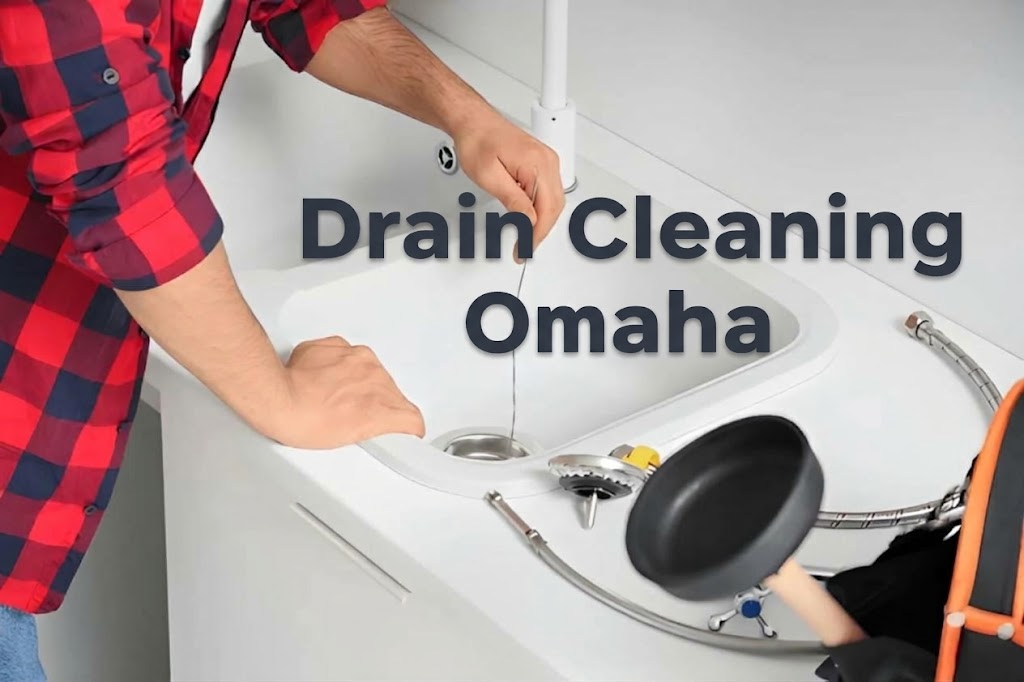
A slow kitchen sink in Omaha rarely stays a slow sink. One week it gurgles. The next, it backs up right before guests arrive. Most people reach for the same fixes: a bottle of chemical cleaner, a plunger, a bent wire hanger. Some of those moves help. Others make the clog worse, and a few turn a basic service call into a pipe replacement.
This guide covers what drain cleaning omaha homeowners should know before spending money or shoving a snake into an old line. You’ll find seven mistakes plumbers see again and again, what each one risks, and what to do instead. Omaha adds its own twists: cast iron and clay lines in older neighborhoods like Dundee and Benson, mature trees with aggressive roots, and winters hard on exposed pipes. Two quick tables compare warning signs and DIY versus professional methods, and a short FAQ closes things out. Read it before the next clog, not during it.
What Does Professional Drain Cleaning Involve?
Professional drain cleaning omaha clears blockages from household pipes using tools such as motorized augers, hydro jetting, and camera inspection. A plumber first finds where the clog sits, then removes it without damaging the pipe. Costs depend on clog location, pipe material, and access.
Mistake 1: Pouring Chemical Cleaners Down the Drain
Caustic cleaners can sit in a standing-water clog and soften or corrode older metal and PVC joints. They also splash back on whoever opens the pipe next. Plumbers often have to work around leftover chemical, which is a safety hazard. Never mix two products. Try a plunger or a hand-operated drain tool first.
Mistake 2: Treating the Kitchen Drain Like a Trash Can
Grease cools and hardens inside pipes. “Flushable” wipes don’t break apart like toilet paper. Coffee grounds pack into sludge. Wipe pans with a paper towel, bin the grease, and keep wipes out of the toilet entirely.
Mistake 3: Using the Wrong Tool on Old Pipes
A cheap wire snake can scratch or puncture brittle cast iron and punch through weakened clay. Homes built before the 1950s often have these materials. If your house is older, ask a plumber to scope the line before anyone forces a cable through it.
Mistake 4: Ignoring Early Warning Signs
Gurgling, slow draining, and a faint sewer smell are early alerts, not quirks. Catching a partial clog is cheaper than clearing a full one.
| Warning Sign | Likely Cause | Smart Next Step |
|---|---|---|
| One sink drains slowly | Local buildup in the trap or branch line | Plunge, clean the trap |
| Gurgling after flushing | Venting or partial main line blockage | Book an inspection |
| Several drains slow at once | Main sewer line clog | Call a plumber promptly |
| Sewage smell in the basement | Dry trap or damaged line | Check floor drains, then call |
| Water backs up in the tub | Main line blockage | Stop using water, call now |
Mistake 5: Fixing One Fixture When the Main Line Is the Problem
If the toilet, shower, and laundry all drain badly, scrubbing one sink won’t help. The blockage is downstream. Running more water only pushes wastewater toward the lowest opening, usually a basement floor drain.
Mistake 6: Ignoring Tree Roots Until Spring
Roots follow moisture into tiny pipe cracks and keep growing. Omaha’s mature lots make this common. A camera inspection shows whether roots, a belly in the pipe, or a collapsed section is the cause. Spotting it early often means a jetting or cutting visit instead of excavation. Routine home maintainance such as annual line checks and seasonal pipe insulation is cheaper than emergency repairs.
Mistake 7: Hiring for Drain Cleaning Omaha Without Checking Credentials
Emergency pricing tempts people to call the first ad they see. Before anyone touches your pipes, confirm they carry a current license and insurance, quote a price before starting, and offer a camera inspection. A trustworthy plumber explains what they found and shows the footage. Skip anyone who pushes a full replacement without proof.
Drain Cleaning Omaha: DIY vs Professional

| Method | Best For | Main Risk | Typical Cost Level |
|---|---|---|---|
| Plunger | Minor sink or tub clogs | Limited reach | Very low |
| Hand drain tool | Hair in tub or sink | Can miss deeper clogs | Low |
| Chemical cleaner | Rarely recommended | Pipe damage, fumes | Low, but costly if pipes fail |
| Motorized auger | Stubborn blockages | Pipe scratches if misused | Moderate |
| Hydro jetting | Grease, scale, roots | Needs trained operator | Moderate to high |
| Camera inspection | Recurring clogs | None, diagnostic only | Moderate |
Prices vary by home and clog location, so request an itemized quote. Know more about it at http://myflashyhome.net/
Frequently Asked Questions (Drain cleaning omaha)
How often should drains be cleaned?
Most households benefit from a professional inspection every one to two years. Older homes or properties with large trees may need annual checks.
Is hydro jetting safe for old pipes?
Not always. A plumber should scope the line first. Fragile clay or cracked cast iron may need gentler methods.
When is a clog an emergency?
Call right away if sewage backs up, multiple drains fail together, or water appears in your basement.
Can I prevent clogs myself?
Yes. Use drain strainers, keep grease and wipes out of pipes, and flush drains with hot tap water occasionally.
[…] Recurring slow drains […]